Plastic Manufacturing Process Optimization
Production optimization for smarter scheduling, resource allocation, and manufacturing efficiency.
A well-established manufacturer in the plastic compound production sector, with annual revenue of around €40 million, needed to improve the reliability and efficiency of its internal operations. Key workflows moved across multiple software systems and departments, with several manual handoffs and weak synchronization points between tools. This created delays, data misalignment, and repeated human intervention to correct or reconcile information.
Overview
The issue was not only about speeding up operations. The real problem was the accumulation of small transfer errors between systems and teams, which generated bottlenecks, rework, and inefficiencies across the production timeline.
Challenge
The company relied on a multi-software operational environment in which production-related information had to pass through different systems, functions, and decision points. In this setup, repetitive manual actions were still necessary to move data forward, validate steps, or realign inconsistent records. As volume and complexity increased, this reduced process stability and made execution more dependent on individual intervention.
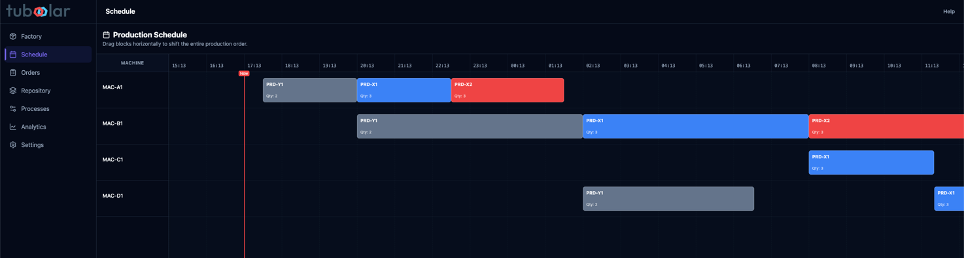
A second challenge was production scheduling. Planning activities required coordination across multiple inputs and constraints, but the existing process left too much room for friction, delays, and avoidable inefficiencies. The company needed a more structured and automated way to connect systems, streamline repetitive tasks, and improve production flow without losing control or operational oversight.
Solution
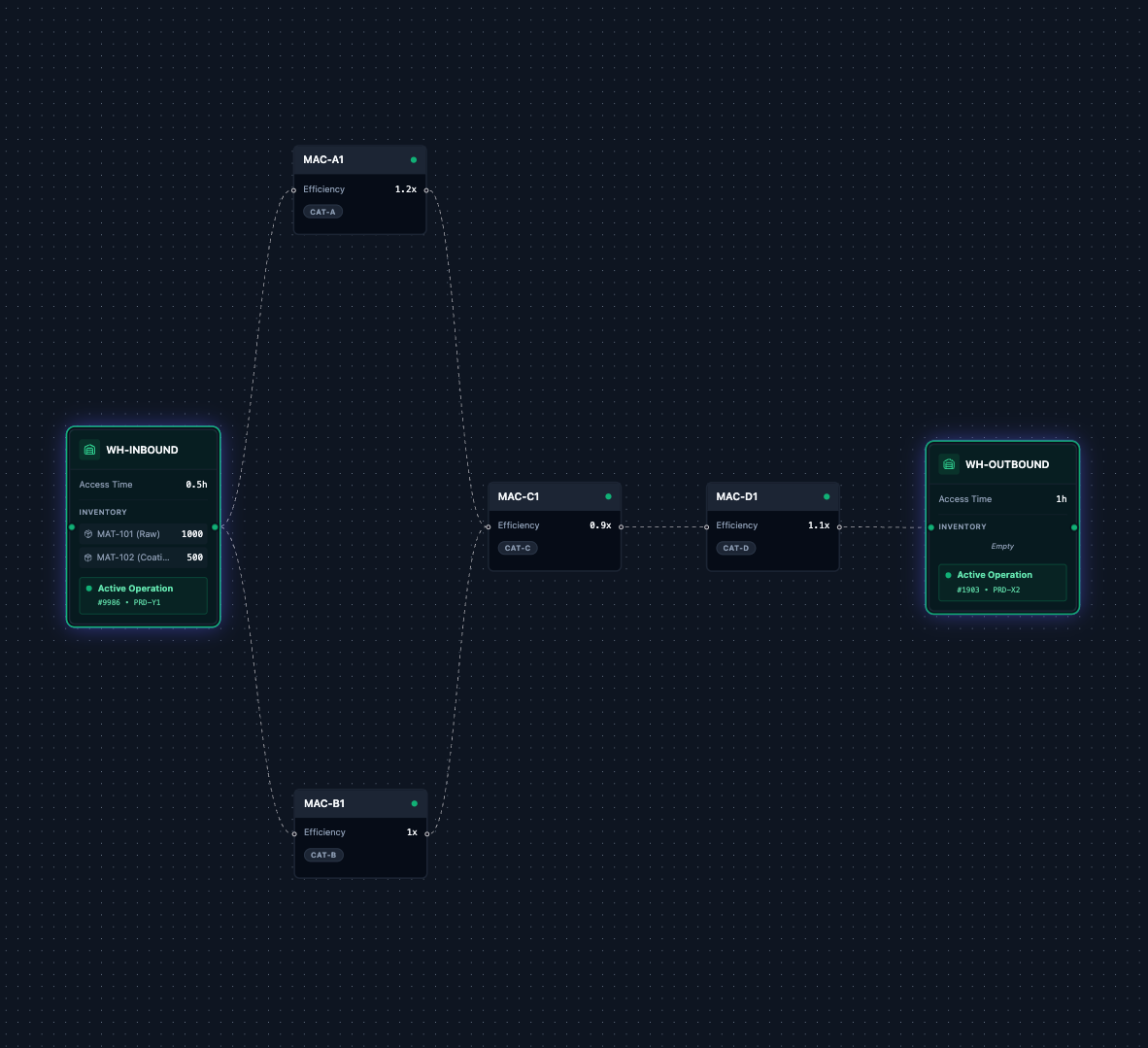
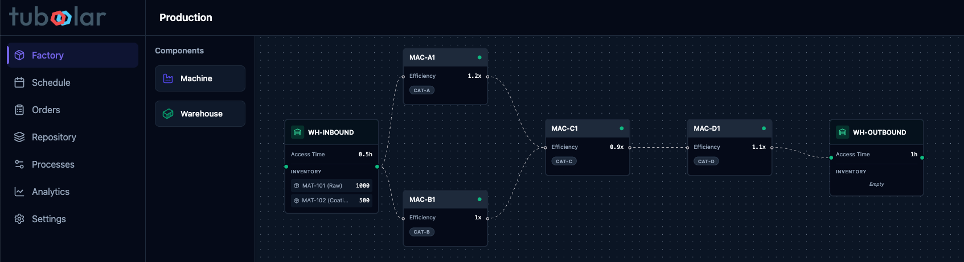
Tuboolar developed an integrated automation framework designed to connect software systems, synchronize business data, and orchestrate operational workflows across departments. The solution introduced structured system-to-system integration, reducing the risk of inconsistencies and ensuring that critical information could move more reliably through the production chain.
On top of this integration layer, Tuboolar automated repetitive process steps and coordinated activities between software environments through controlled workflows, including validation checks and supervision points where needed. This made it possible to reduce manual effort while maintaining visibility and control over the process.
The project also included automated production scheduling logic aimed at improving operational efficiency and reducing friction in planning. By making workflows more linear, standardized, and interconnected, the solution helped remove bottlenecks and support a more stable execution model.

Results / Impact
The solution delivered a major reduction in manual intervention while preserving human supervision where it added value. Operational processes became more stable, data flows more reliable, and coordination between software tools significantly more consistent.
By reducing misalignment between systems and limiting the impact of manual corrections or subjective interpretation, the company improved the efficiency of its production timeline and reduced process-related errors. The result was a more robust and scalable operating model for industrial process automation in manufacturing.